Buy chance4change.eu ?
We are moving the project
chance4change.eu .
Are you interested in purchasing the domain
chance4change.eu ?
domain@kv-gmbh.de · 0541-91531010
Buy chance4change.eu ?
How do I remove insulating wallpaper?
To remove insulating wallpaper, start by scoring the wallpaper with a scoring tool to allow the removal solution to penetrate. Next, apply a wallpaper removal solution or a mixture of water and vinegar to the wallpaper and let it sit for a few minutes to loosen the adhesive. Finally, use a putty knife or scraper to gently peel off the wallpaper, starting from a corner and working your way across the wall. Be sure to follow the manufacturer's instructions for the removal solution and take necessary precautions to protect the underlying wall surface. **
Is copper tape conductive and insulating?
Copper tape is conductive, meaning it can carry an electrical current. It is often used in electronics and electrical projects for this reason. However, copper tape is not insulating; in fact, it is the opposite. It is used to create electrical connections and pathways, not to block or insulate against electrical currents. **


Similar search terms for Insulating
Top-Angebote
Products related to Insulating:
-
HARPERCOLLINS Creative Confidence by Tom & David Kelley – Unleashing Your Creative Potential & Innovation MindsetA powerful and inspiring book from the founders of IDEO, the award-winning design firm, on unleashing the creativity that lies within each and every one of us. Too often, companies and individuals assume that creativity and innovation are the domain of the ‘creative types’. But two of the foremost experts in innovation, design and creativity on the planet show us that each and every one of us is creative. In an entertaining and inspiring narrative that draws on countless stories from their work at IDEO, and with many of the world's top companies and design firms, David and Tom Kelley identify the principles and strategies that will allow us to tap into our creative potential in our work lives, and in our personal lives, allow us to think outside the box in terms of how we approach and solve problems. ‘Creative Confidence’ is a book that will help each of us be more productive and successful in our lives and in our careers.4,95 £*Shipping: 1,99 £Secure redirect to the provider
-
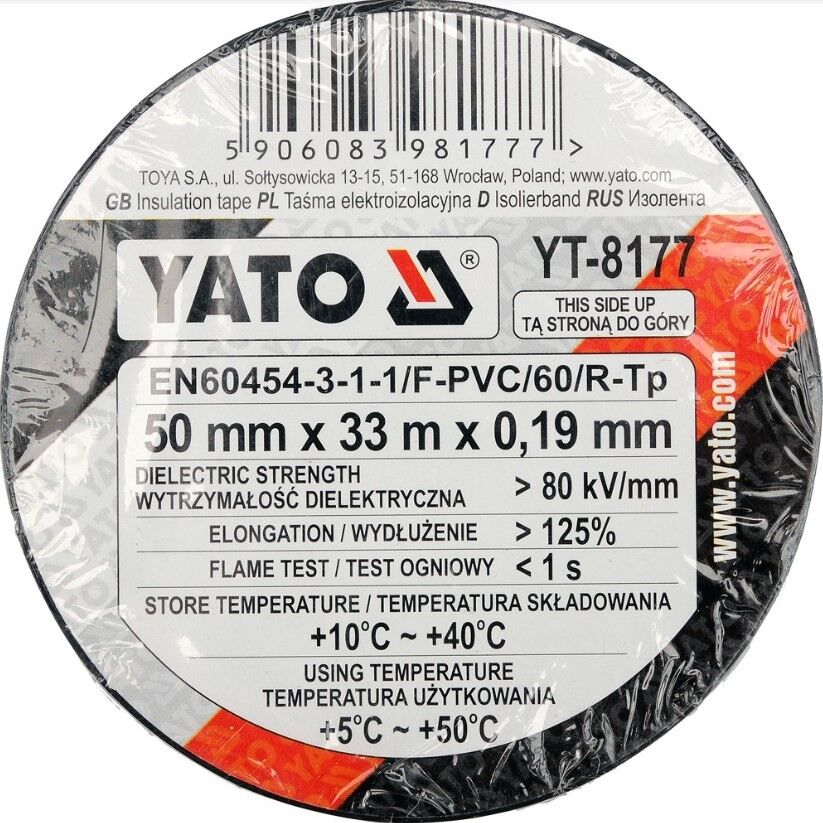
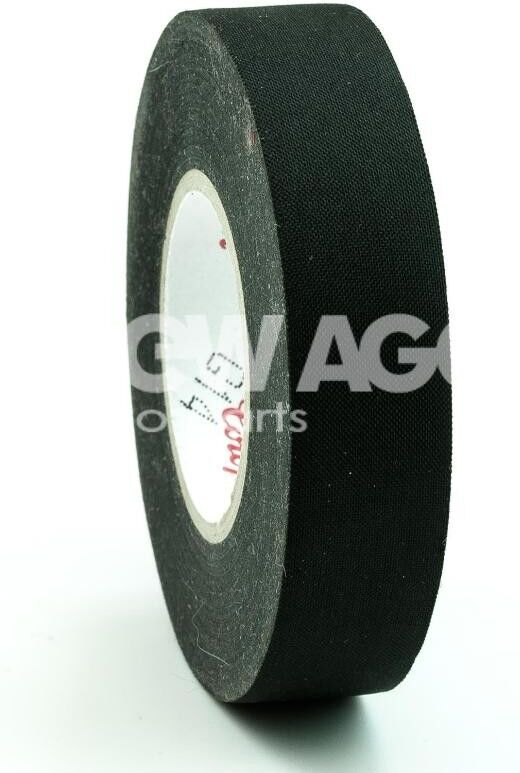
HERTH+BUSS ELPARTS 50272060 Insulating TapeLength [m]: 25; Width [mm]: 19; Thickness: 0,24; Colour: black; Material: Polyester Fabric; Heat resistant: ; Temperature range from [°C]: -40; Temperature range to [°C]: +105; Adhesive strength on steel [N/cm]: 4,8; Tear-out force [N/cm]: 240; Elongation [%]: 30; Adhesive: Synthetic rubber7,59 £*Shipping: 8,45 £Secure redirect to the provider



-
What is an insulating porcelain insulator?
An insulating porcelain insulator is a type of electrical insulator made from porcelain material. It is designed to support and insulate electrical conductors, such as wires or cables, from the structure they are attached to. Porcelain insulators are known for their high mechanical strength, resistance to electrical and thermal stress, and ability to withstand harsh environmental conditions. They are commonly used in electrical power transmission and distribution systems to prevent the flow of electricity to the supporting structure. **
-
What is an insulating mat used for?
An insulating mat is used to provide a protective barrier between a person and the ground to prevent electric shock. It is commonly used in electrical work to create a safe working environment by insulating workers from the potentially hazardous effects of electricity. Insulating mats are made of rubber or other non-conductive materials to ensure electrical safety. **
-
How can noise be reduced by insulating walls?
Insulating walls can help reduce noise by adding a barrier between the interior and exterior of a building, which can absorb and block sound waves. Materials such as fiberglass, foam, or cellulose insulation can be added to walls to dampen sound vibrations. Additionally, sealing any gaps or cracks in walls can prevent sound from traveling through them. Overall, insulating walls can create a quieter and more peaceful indoor environment by reducing the amount of noise that enters or exits a space. **
-
Which material is the best at insulating heat?
The best material for insulating heat is typically considered to be foam, specifically closed-cell foam. This type of foam has a high R-value, which measures its thermal resistance. Closed-cell foam is able to trap air pockets within its structure, which helps to slow down the transfer of heat. This makes it an effective insulator for keeping heat in or out of a space. **

What is the procedure for insulating the attic?
The procedure for insulating the attic typically involves several steps. First, any existing insulation should be removed to ensure a clean surface. Next, any air leaks or gaps should be sealed to prevent heat loss. Then, insulation material, such as fiberglass batts or blown-in cellulose, is installed between the attic floor joists or rafters. Finally, proper ventilation should be ensured to prevent moisture buildup. It's important to follow local building codes and safety guidelines when insulating an attic. **
Which insulating cardboard is suitable for the floor?
For insulating cardboard to be suitable for the floor, it should be strong and durable enough to withstand the weight and traffic of footfall. It should also have good insulating properties to help regulate the temperature and reduce heat loss. Additionally, it should be moisture-resistant to prevent damage from any potential spills or leaks. Overall, a high-density insulating cardboard with a moisture-resistant barrier would be suitable for insulating the floor. **
Top-Angebote
Products related to Insulating:
-
HARPERCOLLINS Creative Confidence by Tom & David Kelley – Unleashing Your Creative Potential & Innovation MindsetA powerful and inspiring book from the founders of IDEO, the award-winning design firm, on unleashing the creativity that lies within each and every one of us. Too often, companies and individuals assume that creativity and innovation are the domain of the ‘creative types’. But two of the foremost experts in innovation, design and creativity on the planet show us that each and every one of us is creative. In an entertaining and inspiring narrative that draws on countless stories from their work at IDEO, and with many of the world's top companies and design firms, David and Tom Kelley identify the principles and strategies that will allow us to tap into our creative potential in our work lives, and in our personal lives, allow us to think outside the box in terms of how we approach and solve problems. ‘Creative Confidence’ is a book that will help each of us be more productive and successful in our lives and in our careers.4,95 £*Shipping: 1,99 £Secure redirect to the provider
-
How do I remove insulating wallpaper?
To remove insulating wallpaper, start by scoring the wallpaper with a scoring tool to allow the removal solution to penetrate. Next, apply a wallpaper removal solution or a mixture of water and vinegar to the wallpaper and let it sit for a few minutes to loosen the adhesive. Finally, use a putty knife or scraper to gently peel off the wallpaper, starting from a corner and working your way across the wall. Be sure to follow the manufacturer's instructions for the removal solution and take necessary precautions to protect the underlying wall surface. **
-
Is copper tape conductive and insulating?
Copper tape is conductive, meaning it can carry an electrical current. It is often used in electronics and electrical projects for this reason. However, copper tape is not insulating; in fact, it is the opposite. It is used to create electrical connections and pathways, not to block or insulate against electrical currents. **
-
What is an insulating porcelain insulator?
An insulating porcelain insulator is a type of electrical insulator made from porcelain material. It is designed to support and insulate electrical conductors, such as wires or cables, from the structure they are attached to. Porcelain insulators are known for their high mechanical strength, resistance to electrical and thermal stress, and ability to withstand harsh environmental conditions. They are commonly used in electrical power transmission and distribution systems to prevent the flow of electricity to the supporting structure. **
-
What is an insulating mat used for?
An insulating mat is used to provide a protective barrier between a person and the ground to prevent electric shock. It is commonly used in electrical work to create a safe working environment by insulating workers from the potentially hazardous effects of electricity. Insulating mats are made of rubber or other non-conductive materials to ensure electrical safety. **
Similar search terms for Insulating
-
HERTH+BUSS ELPARTS 50272060 Insulating TapeLength [m]: 25; Width [mm]: 19; Thickness: 0,24; Colour: black; Material: Polyester Fabric; Heat resistant: ; Temperature range from [°C]: -40; Temperature range to [°C]: +105; Adhesive strength on steel [N/cm]: 4,8; Tear-out force [N/cm]: 240; Elongation [%]: 30; Adhesive: Synthetic rubber7,59 £*Shipping: 8,45 £Secure redirect to the provider
-
How can noise be reduced by insulating walls?
Insulating walls can help reduce noise by adding a barrier between the interior and exterior of a building, which can absorb and block sound waves. Materials such as fiberglass, foam, or cellulose insulation can be added to walls to dampen sound vibrations. Additionally, sealing any gaps or cracks in walls can prevent sound from traveling through them. Overall, insulating walls can create a quieter and more peaceful indoor environment by reducing the amount of noise that enters or exits a space. **
-
Which material is the best at insulating heat?
The best material for insulating heat is typically considered to be foam, specifically closed-cell foam. This type of foam has a high R-value, which measures its thermal resistance. Closed-cell foam is able to trap air pockets within its structure, which helps to slow down the transfer of heat. This makes it an effective insulator for keeping heat in or out of a space. **
-
What is the procedure for insulating the attic?
The procedure for insulating the attic typically involves several steps. First, any existing insulation should be removed to ensure a clean surface. Next, any air leaks or gaps should be sealed to prevent heat loss. Then, insulation material, such as fiberglass batts or blown-in cellulose, is installed between the attic floor joists or rafters. Finally, proper ventilation should be ensured to prevent moisture buildup. It's important to follow local building codes and safety guidelines when insulating an attic. **
-
Which insulating cardboard is suitable for the floor?
For insulating cardboard to be suitable for the floor, it should be strong and durable enough to withstand the weight and traffic of footfall. It should also have good insulating properties to help regulate the temperature and reduce heat loss. Additionally, it should be moisture-resistant to prevent damage from any potential spills or leaks. Overall, a high-density insulating cardboard with a moisture-resistant barrier would be suitable for insulating the floor. **
* All prices are inclusive of VAT and, if applicable, plus shipping costs. The offer information is based on the details provided by the respective shop and is updated through automated processes. Real-time updates do not occur, so deviations can occur in individual cases. ** Note: Parts of this content were created by AI.