Buy chance4change.eu ?
We are moving the project
chance4change.eu .
Are you interested in purchasing the domain
chance4change.eu ?
domain@kv-gmbh.de · 0541-91531010
Buy chance4change.eu ?
What are the differences between Buddhism and Tibetan Buddhism?
Buddhism is a broader religion that encompasses various traditions and schools, while Tibetan Buddhism is a specific branch of Buddhism that developed in Tibet. Tibetan Buddhism incorporates elements of Tibetan culture, such as rituals, deities, and practices like chanting and visualization. It also places a strong emphasis on the teachings of Tibetan Buddhist masters and the importance of the Dalai Lama. Additionally, Tibetan Buddhism includes unique practices such as the use of prayer flags, prayer wheels, and mandalas. **
What is the difference between Buddhism and Zen Buddhism?
Buddhism is a broader religion and philosophy that encompasses a variety of traditions and practices, while Zen Buddhism is a specific school or branch of Mahayana Buddhism that emphasizes meditation and direct experience of enlightenment. Zen Buddhism places a strong emphasis on the practice of meditation (zazen) as a means to achieve enlightenment, while traditional Buddhism incorporates a wider range of practices such as chanting, rituals, and study of Buddhist scriptures. Additionally, Zen Buddhism often focuses on the teachings of specific Zen masters and the importance of the teacher-student relationship in transmitting wisdom and insight. **

Similar search terms for Buddhism
Top-Angebote
Products related to Buddhism:
-
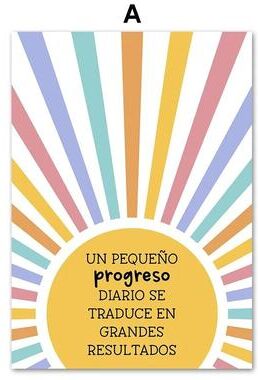
Inspired Finds Growth Mindset Poster Therapy Office Wall Art Social Worker Decor Print positive Progress Rays 11.81x16.54 InCreate a space that inspires growth, reflection, and positivity with this meaningful growth mindset poster designed for professionals who care deeply about impact. Whether you're a counselor, therapist, or educator, this piece adds purpose to your...46,99 $*Shipping: 0,00 $Secure redirect to the provider
-
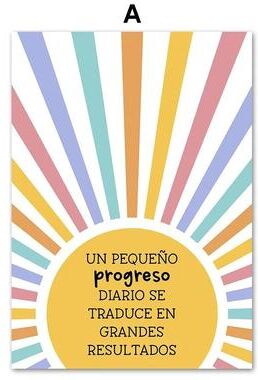
Inspired Finds Growth Mindset Poster Therapy Office Wall Art Social Worker Decor Print positive Progress Rays 15.75x19.69 InCreate a space that inspires growth, reflection, and positivity with this meaningful growth mindset poster designed for professionals who care deeply about impact. Whether you're a counselor, therapist, or educator, this piece adds purpose to your...47,99 $*Shipping: 0,00 $Secure redirect to the provider
-
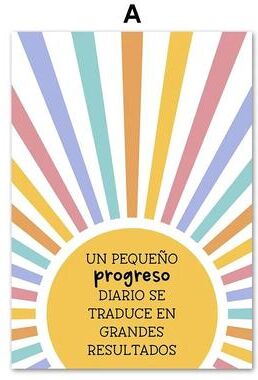
Inspired Finds Growth Mindset Poster Therapy Office Wall Art Social Worker Decor Print positive Progress Rays 19.69x29.53 InCreate a space that inspires growth, reflection, and positivity with this meaningful growth mindset poster designed for professionals who care deeply about impact. Whether you're a counselor, therapist, or educator, this piece adds purpose to your...60,99 $*Shipping: 0,00 $Secure redirect to the provider
-
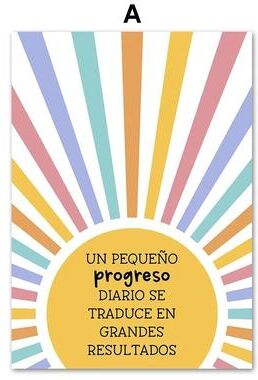
Inspired Finds Growth Mindset Poster Therapy Office Wall Art Social Worker Decor Print positive Progress Rays 15.75x23.62 InCreate a space that inspires growth, reflection, and positivity with this meaningful growth mindset poster designed for professionals who care deeply about impact. Whether you're a counselor, therapist, or educator, this piece adds purpose to your...50,99 $*Shipping: 0,00 $Secure redirect to the provider


-
'How do I change my religion to Buddhism?'
To change your religion to Buddhism, you can start by learning about the teachings and practices of Buddhism. You can attend Buddhist teachings, read books on Buddhism, and explore different Buddhist traditions to find the one that resonates with you. Once you feel a connection to Buddhism, you can formally declare your intention to take refuge in the Three Jewels (the Buddha, the Dharma, and the Sangha) in front of a qualified Buddhist teacher or in a Buddhist ceremony. This declaration symbolizes your commitment to following the Buddhist path. It's important to remember that changing your religion is a personal and spiritual journey, so take your time to explore and understand Buddhism before making a decision. **
-
Is Buddhism illogical?
Buddhism is not inherently illogical. It is a complex and diverse belief system that encompasses a wide range of philosophical and ethical teachings. While some aspects of Buddhist doctrine may seem counterintuitive or difficult to understand from a Western perspective, they are based on a different cultural and philosophical framework. Many Buddhist teachings emphasize the importance of critical thinking and personal experience, and encourage followers to question and explore their beliefs. Ultimately, whether Buddhism is considered logical or not may depend on one's own perspective and understanding of its teachings. **
-
What is the difference between Zen Buddhism and regular Buddhism?
The main difference between Zen Buddhism and regular Buddhism lies in their approach to meditation and enlightenment. Zen Buddhism, which originated in China and later developed in Japan, emphasizes the practice of meditation (zazen) as the primary means to attain enlightenment. It focuses on direct experience and intuitive understanding, often through the guidance of a teacher. Regular Buddhism, on the other hand, encompasses a variety of traditions and practices, with meditation being just one of them. It places more emphasis on the study of scriptures, ethical conduct, and the development of wisdom and compassion. While both Zen Buddhism and regular Buddhism share the same core teachings of the Four Noble Truths and the Eightfold Path, their methods and emphasis on practice differ. **
-
What does Buddhism teach?
Buddhism teaches the Four Noble Truths, which are the truths of suffering, the cause of suffering, the end of suffering, and the path to the end of suffering. It also emphasizes the importance of mindfulness, compassion, and non-attachment. Buddhism teaches that all beings are interconnected and that the ultimate goal is to achieve enlightenment and liberation from the cycle of birth and death (samsara). **

What is Zen Buddhism?
Zen Buddhism is a school of Mahayana Buddhism that originated in China during the Tang dynasty and later spread to Japan. It emphasizes the practice of meditation (zazen) and the direct experience of enlightenment, or awakening. Zen teachings often focus on the concept of emptiness, impermanence, and the importance of living in the present moment. It is known for its minimalist approach, simplicity, and the use of paradoxical statements (koans) to provoke insight and break through conceptual thinking. **
What speaks against Buddhism?
Some criticisms of Buddhism include its focus on individual enlightenment, which some argue can lead to detachment from societal issues and responsibilities. Additionally, the concept of karma and rebirth can be seen as fatalistic or lacking in empirical evidence. Some critics also point out that certain Buddhist teachings may perpetuate gender inequality or social hierarchies. Overall, the main criticisms of Buddhism often revolve around its philosophical concepts, practical applications, and societal implications. **
Top-Angebote
Products related to Buddhism:
-
HARPERCOLLINS Creative Confidence by Tom & David Kelley – Unleashing Your Creative Potential & Innovation MindsetA powerful and inspiring book from the founders of IDEO, the award-winning design firm, on unleashing the creativity that lies within each and every one of us. Too often, companies and individuals assume that creativity and innovation are the domain of the ‘creative types’. But two of the foremost experts in innovation, design and creativity on the planet show us that each and every one of us is creative. In an entertaining and inspiring narrative that draws on countless stories from their work at IDEO, and with many of the world's top companies and design firms, David and Tom Kelley identify the principles and strategies that will allow us to tap into our creative potential in our work lives, and in our personal lives, allow us to think outside the box in terms of how we approach and solve problems. ‘Creative Confidence’ is a book that will help each of us be more productive and successful in our lives and in our careers.4,95 £*Shipping: 1,99 £Secure redirect to the provider
-
Inspired Finds Growth Mindset Poster Therapy Office Wall Art Social Worker Decor Print positive Progress Rays 5.12x7.09 InCreate a space that inspires growth, reflection, and positivity with this meaningful growth mindset poster designed for professionals who care deeply about impact. Whether you're a counselor, therapist, or educator, this piece adds purpose to your...39,99 $*Shipping: 0,00 $Secure redirect to the provider
-
Inspired Finds Growth Mindset Poster Therapy Office Wall Art Social Worker Decor Print positive Progress Rays 11.81x16.54 InCreate a space that inspires growth, reflection, and positivity with this meaningful growth mindset poster designed for professionals who care deeply about impact. Whether you're a counselor, therapist, or educator, this piece adds purpose to your...46,99 $*Shipping: 0,00 $Secure redirect to the provider
-
Inspired Finds Growth Mindset Poster Therapy Office Wall Art Social Worker Decor Print positive Progress Rays 15.75x19.69 InCreate a space that inspires growth, reflection, and positivity with this meaningful growth mindset poster designed for professionals who care deeply about impact. Whether you're a counselor, therapist, or educator, this piece adds purpose to your...47,99 $*Shipping: 0,00 $Secure redirect to the provider
-
What are the differences between Buddhism and Tibetan Buddhism?
Buddhism is a broader religion that encompasses various traditions and schools, while Tibetan Buddhism is a specific branch of Buddhism that developed in Tibet. Tibetan Buddhism incorporates elements of Tibetan culture, such as rituals, deities, and practices like chanting and visualization. It also places a strong emphasis on the teachings of Tibetan Buddhist masters and the importance of the Dalai Lama. Additionally, Tibetan Buddhism includes unique practices such as the use of prayer flags, prayer wheels, and mandalas. **
-
What is the difference between Buddhism and Zen Buddhism?
Buddhism is a broader religion and philosophy that encompasses a variety of traditions and practices, while Zen Buddhism is a specific school or branch of Mahayana Buddhism that emphasizes meditation and direct experience of enlightenment. Zen Buddhism places a strong emphasis on the practice of meditation (zazen) as a means to achieve enlightenment, while traditional Buddhism incorporates a wider range of practices such as chanting, rituals, and study of Buddhist scriptures. Additionally, Zen Buddhism often focuses on the teachings of specific Zen masters and the importance of the teacher-student relationship in transmitting wisdom and insight. **
-
'How do I change my religion to Buddhism?'
To change your religion to Buddhism, you can start by learning about the teachings and practices of Buddhism. You can attend Buddhist teachings, read books on Buddhism, and explore different Buddhist traditions to find the one that resonates with you. Once you feel a connection to Buddhism, you can formally declare your intention to take refuge in the Three Jewels (the Buddha, the Dharma, and the Sangha) in front of a qualified Buddhist teacher or in a Buddhist ceremony. This declaration symbolizes your commitment to following the Buddhist path. It's important to remember that changing your religion is a personal and spiritual journey, so take your time to explore and understand Buddhism before making a decision. **
-
Is Buddhism illogical?
Buddhism is not inherently illogical. It is a complex and diverse belief system that encompasses a wide range of philosophical and ethical teachings. While some aspects of Buddhist doctrine may seem counterintuitive or difficult to understand from a Western perspective, they are based on a different cultural and philosophical framework. Many Buddhist teachings emphasize the importance of critical thinking and personal experience, and encourage followers to question and explore their beliefs. Ultimately, whether Buddhism is considered logical or not may depend on one's own perspective and understanding of its teachings. **
Similar search terms for Buddhism
-
Inspired Finds Growth Mindset Poster Therapy Office Wall Art Social Worker Decor Print positive Progress Rays 19.69x29.53 InCreate a space that inspires growth, reflection, and positivity with this meaningful growth mindset poster designed for professionals who care deeply about impact. Whether you're a counselor, therapist, or educator, this piece adds purpose to your...60,99 $*Shipping: 0,00 $Secure redirect to the provider
-
Inspired Finds Growth Mindset Poster Therapy Office Wall Art Social Worker Decor Print positive Progress Rays 15.75x23.62 InCreate a space that inspires growth, reflection, and positivity with this meaningful growth mindset poster designed for professionals who care deeply about impact. Whether you're a counselor, therapist, or educator, this piece adds purpose to your...50,99 $*Shipping: 0,00 $Secure redirect to the provider
-
Inspired Finds Growth Mindset Poster Therapy Office Wall Art Social Worker Decor Print positive Progress Rays 11.81x15.75 InCreate a space that inspires growth, reflection, and positivity with this meaningful growth mindset poster designed for professionals who care deeply about impact. Whether you're a counselor, therapist, or educator, this piece adds purpose to your...45,99 $*Shipping: 0,00 $Secure redirect to the provider
-
Inspired Finds Growth Mindset Poster Therapy Office Wall Art Social Worker Decor Print positive Progress Rays 7.87x9.84 InCreate a space that inspires growth, reflection, and positivity with this meaningful growth mindset poster designed for professionals who care deeply about impact. Whether you're a counselor, therapist, or educator, this piece adds purpose to your...40,99 $*Shipping: 0,00 $Secure redirect to the provider
-
What is the difference between Zen Buddhism and regular Buddhism?
The main difference between Zen Buddhism and regular Buddhism lies in their approach to meditation and enlightenment. Zen Buddhism, which originated in China and later developed in Japan, emphasizes the practice of meditation (zazen) as the primary means to attain enlightenment. It focuses on direct experience and intuitive understanding, often through the guidance of a teacher. Regular Buddhism, on the other hand, encompasses a variety of traditions and practices, with meditation being just one of them. It places more emphasis on the study of scriptures, ethical conduct, and the development of wisdom and compassion. While both Zen Buddhism and regular Buddhism share the same core teachings of the Four Noble Truths and the Eightfold Path, their methods and emphasis on practice differ. **
-
What does Buddhism teach?
Buddhism teaches the Four Noble Truths, which are the truths of suffering, the cause of suffering, the end of suffering, and the path to the end of suffering. It also emphasizes the importance of mindfulness, compassion, and non-attachment. Buddhism teaches that all beings are interconnected and that the ultimate goal is to achieve enlightenment and liberation from the cycle of birth and death (samsara). **
-
What is Zen Buddhism?
Zen Buddhism is a school of Mahayana Buddhism that originated in China during the Tang dynasty and later spread to Japan. It emphasizes the practice of meditation (zazen) and the direct experience of enlightenment, or awakening. Zen teachings often focus on the concept of emptiness, impermanence, and the importance of living in the present moment. It is known for its minimalist approach, simplicity, and the use of paradoxical statements (koans) to provoke insight and break through conceptual thinking. **
-
What speaks against Buddhism?
Some criticisms of Buddhism include its focus on individual enlightenment, which some argue can lead to detachment from societal issues and responsibilities. Additionally, the concept of karma and rebirth can be seen as fatalistic or lacking in empirical evidence. Some critics also point out that certain Buddhist teachings may perpetuate gender inequality or social hierarchies. Overall, the main criticisms of Buddhism often revolve around its philosophical concepts, practical applications, and societal implications. **
* All prices are inclusive of VAT and, if applicable, plus shipping costs. The offer information is based on the details provided by the respective shop and is updated through automated processes. Real-time updates do not occur, so deviations can occur in individual cases. ** Note: Parts of this content were created by AI.