Buy chance4change.eu ?
We are moving the project
chance4change.eu .
Are you interested in purchasing the domain
chance4change.eu ?
domain@kv-gmbh.de · 0541-91531010
Buy chance4change.eu ?
How much does it cost to change the brake pads, brake discs, and brakes?
The cost of changing brake pads, brake discs, and brakes can vary depending on the make and model of the vehicle, as well as the type of parts used. On average, the cost to change brake pads can range from $100 to $300 per axle, while the cost to change brake discs can range from $150 to $300 per axle. Additionally, the cost to change the entire brake system, including pads, discs, and other components, can range from $300 to $800 or more, depending on the extent of the work needed. It's important to consult with a professional mechanic to get an accurate estimate for your specific vehicle. **
How do you change the brake pads on bicycle disc brakes?
To change the brake pads on bicycle disc brakes, start by removing the wheel from the bike. Locate the small retaining pin or bolt that holds the brake pads in place and remove it. Slide out the old brake pads and replace them with the new ones, making sure they are properly aligned. Reinsert the retaining pin or bolt, put the wheel back on, and test the brakes to ensure they are working correctly. **
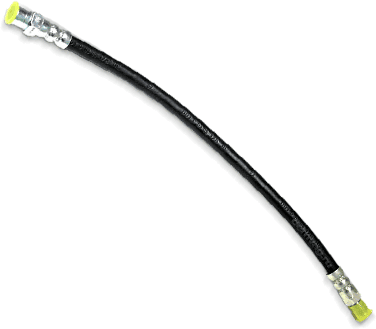

Similar search terms for RAP-BRAKES-R-H1515-Brake
Top-Angebote
Products related to RAP-BRAKES-R-H1515-Brake:
-
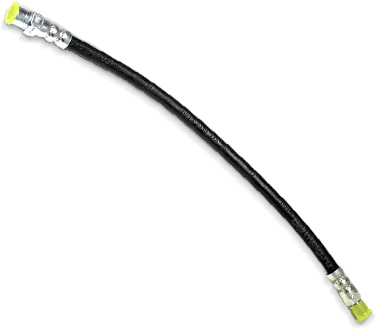
RAP BRAKES R-H1557 Brake hoseFitting Position: Rear Axle; Thread Type: Internal Thread; Thread Size 1: M10x1; Thread Size 2: Banjo; Internal Thread [mm]: M10X1; Internal Thread 1 [mm]: M10x1; Diameter: 10,2; Internal Thread Size: M10x1; Length [mm]: 4316,99 £*Shipping: 8,45 £Secure redirect to the provider


-
What is improved by expensive V-Brake brakes?
Expensive V-Brake brakes typically offer improved braking performance and modulation compared to cheaper alternatives. This means that they provide better stopping power and control, especially in challenging conditions such as wet or muddy terrain. Additionally, expensive V-Brake brakes often use higher quality materials and construction, resulting in increased durability and reliability over time. Overall, investing in expensive V-Brake brakes can lead to a safer and more enjoyable riding experience. **
-
What are the brake pads for the SRAM Code R brake?
The brake pads for the SRAM Code R brake are sintered metallic pads. These pads are designed to provide consistent and reliable braking performance in a variety of conditions, including wet and muddy trails. The sintered metallic material also offers durability and long-lasting performance, making them a popular choice for aggressive riding styles and downhill mountain biking. **
-
What is the brake line for bicycle disc brakes?
The brake line for bicycle disc brakes is a flexible hose that carries hydraulic fluid from the brake lever to the caliper. It is responsible for transmitting the force applied at the brake lever to the caliper, which then clamps the brake pads onto the rotor to slow down or stop the bicycle. The brake line is an essential component of the hydraulic disc brake system, and it needs to be properly maintained to ensure optimal braking performance. **
-
Can Magura brake discs be used on Shimano brakes?
Yes, Magura brake discs can be used on Shimano brakes as long as the disc rotor size and mounting standard are compatible with the Shimano brake calipers. It is important to ensure that the rotor size matches the recommended size for the Shimano brakes to ensure proper braking performance. Additionally, it is recommended to consult the manufacturer's specifications and compatibility guidelines before using any non-original components with Shimano brakes. **


Are the brake pads too close together on disc brakes?
The distance between the brake pads on disc brakes is designed to be close enough to effectively grip the rotor and provide sufficient stopping power. If the brake pads are too far apart, they may not be able to effectively engage the rotor, resulting in reduced braking performance. However, if the brake pads are too close together, they may rub against the rotor, causing unnecessary wear and potentially leading to overheating and reduced braking efficiency. Therefore, it is important for the brake pads to be properly adjusted to ensure optimal performance and longevity of the braking system. **
Is there another way to brake a bicycle without brakes?
Yes, there are alternative methods to brake a bicycle without using the traditional hand brakes. One method is to use your feet to drag along the ground, which can slow down the bike. Another method is to lean back and apply pressure to the pedals in a reverse motion, causing the bike to slow down. Additionally, you can also use your body weight to shift backward and create friction on the rear tire, slowing down the bike. However, it's important to note that these alternative methods may not be as effective as using traditional brakes and may also cause wear and tear on the bike. **
Top-Angebote
Products related to RAP-BRAKES-R-H1515-Brake:
-
How much does it cost to change the brake pads, brake discs, and brakes?
The cost of changing brake pads, brake discs, and brakes can vary depending on the make and model of the vehicle, as well as the type of parts used. On average, the cost to change brake pads can range from $100 to $300 per axle, while the cost to change brake discs can range from $150 to $300 per axle. Additionally, the cost to change the entire brake system, including pads, discs, and other components, can range from $300 to $800 or more, depending on the extent of the work needed. It's important to consult with a professional mechanic to get an accurate estimate for your specific vehicle. **
-
How do you change the brake pads on bicycle disc brakes?
To change the brake pads on bicycle disc brakes, start by removing the wheel from the bike. Locate the small retaining pin or bolt that holds the brake pads in place and remove it. Slide out the old brake pads and replace them with the new ones, making sure they are properly aligned. Reinsert the retaining pin or bolt, put the wheel back on, and test the brakes to ensure they are working correctly. **
-
What is improved by expensive V-Brake brakes?
Expensive V-Brake brakes typically offer improved braking performance and modulation compared to cheaper alternatives. This means that they provide better stopping power and control, especially in challenging conditions such as wet or muddy terrain. Additionally, expensive V-Brake brakes often use higher quality materials and construction, resulting in increased durability and reliability over time. Overall, investing in expensive V-Brake brakes can lead to a safer and more enjoyable riding experience. **
-
What are the brake pads for the SRAM Code R brake?
The brake pads for the SRAM Code R brake are sintered metallic pads. These pads are designed to provide consistent and reliable braking performance in a variety of conditions, including wet and muddy trails. The sintered metallic material also offers durability and long-lasting performance, making them a popular choice for aggressive riding styles and downhill mountain biking. **
Similar search terms for RAP-BRAKES-R-H1515-Brake
-
RAP BRAKES R-H1557 Brake hoseFitting Position: Rear Axle; Thread Type: Internal Thread; Thread Size 1: M10x1; Thread Size 2: Banjo; Internal Thread [mm]: M10X1; Internal Thread 1 [mm]: M10x1; Diameter: 10,2; Internal Thread Size: M10x1; Length [mm]: 4316,99 £*Shipping: 8,45 £Secure redirect to the provider
-
RAP BRAKES R-H1562 Brake hoseFitting Position: Rear Axle Left; Thread Size 1: M10x1 INT SF; Thread Size 2: M10 x 1; Paired product: R-H1563; Internal Thread 1 [mm]: M10x1; Internal Thread 2 [mm]: M10x1; Material: EPDM (ethylene propylene diene Monomer (M-class) rubber); Internal Thread Size: M10x1; Length [mm]: 1935,59 £*Shipping: 8,45 £Secure redirect to the provider
-
RAP BRAKES R-H1566 Brake hoseFitting Position: Rear Axle; Thread Type: Internal Thread; Thread Size 1: M10x1; Thread Size 2: M10x1; Internal Thread 1 [mm]: M10x1; Internal Thread 2 [mm]: M10x1; Material: EPDM (ethylene propylene diene Monomer (M-class) rubber); Spanner Size 1 [mm]: 19; Internal Thread Size: M10x1; Length [mm]: 3205,29 £*Shipping: 8,45 £Secure redirect to the provider
-
What is the brake line for bicycle disc brakes?
The brake line for bicycle disc brakes is a flexible hose that carries hydraulic fluid from the brake lever to the caliper. It is responsible for transmitting the force applied at the brake lever to the caliper, which then clamps the brake pads onto the rotor to slow down or stop the bicycle. The brake line is an essential component of the hydraulic disc brake system, and it needs to be properly maintained to ensure optimal braking performance. **
-
Can Magura brake discs be used on Shimano brakes?
Yes, Magura brake discs can be used on Shimano brakes as long as the disc rotor size and mounting standard are compatible with the Shimano brake calipers. It is important to ensure that the rotor size matches the recommended size for the Shimano brakes to ensure proper braking performance. Additionally, it is recommended to consult the manufacturer's specifications and compatibility guidelines before using any non-original components with Shimano brakes. **
-
Are the brake pads too close together on disc brakes?
The distance between the brake pads on disc brakes is designed to be close enough to effectively grip the rotor and provide sufficient stopping power. If the brake pads are too far apart, they may not be able to effectively engage the rotor, resulting in reduced braking performance. However, if the brake pads are too close together, they may rub against the rotor, causing unnecessary wear and potentially leading to overheating and reduced braking efficiency. Therefore, it is important for the brake pads to be properly adjusted to ensure optimal performance and longevity of the braking system. **
-
Is there another way to brake a bicycle without brakes?
Yes, there are alternative methods to brake a bicycle without using the traditional hand brakes. One method is to use your feet to drag along the ground, which can slow down the bike. Another method is to lean back and apply pressure to the pedals in a reverse motion, causing the bike to slow down. Additionally, you can also use your body weight to shift backward and create friction on the rear tire, slowing down the bike. However, it's important to note that these alternative methods may not be as effective as using traditional brakes and may also cause wear and tear on the bike. **
* All prices are inclusive of VAT and, if applicable, plus shipping costs. The offer information is based on the details provided by the respective shop and is updated through automated processes. Real-time updates do not occur, so deviations can occur in individual cases. ** Note: Parts of this content were created by AI.