Buy chance4change.eu ?
We are moving the project
chance4change.eu .
Are you interested in purchasing the domain
chance4change.eu ?
domain@kv-gmbh.de · 0541-91531010
Buy chance4change.eu ?
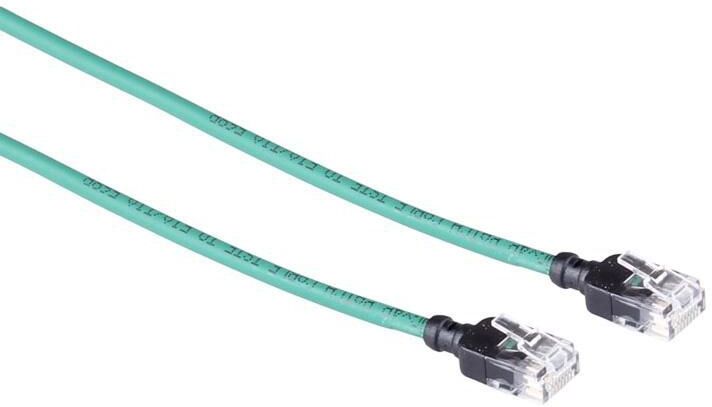
Is the LAN cable STP or UTP?
The LAN cable can be either STP (Shielded Twisted Pair) or UTP (Unshielded Twisted Pair). STP cables have an extra layer of shielding to protect against electromagnetic interference, while UTP cables do not have this additional shielding. The choice between STP and UTP cables depends on the specific requirements of the network and the level of interference present in the environment. **
Do I need a UTP, FTP, or SFTP LAN cable?
The type of LAN cable you need depends on your specific requirements. 1. UTP (Unshielded Twisted Pair) cables are suitable for most home and small office networks as they are cost-effective and provide good performance for short to medium distances. 2. FTP (Foiled Twisted Pair) cables have an extra layer of shielding, making them more resistant to interference and suitable for environments with high electromagnetic interference. 3. SFTP (Shielded Foiled Twisted Pair) cables offer the highest level of protection against interference and are ideal for industrial or commercial settings where there is a high risk of electromagnetic interference. Consider your environment and network needs to determine the most suitable LAN cable for your setup. **


Similar search terms for UTP
Top-Angebote
Products related to UTP:


-
Why are there unshielded U/UTP Cat 7 network cables?
Unshielded U/UTP Cat 7 network cables exist because they are designed for specific applications where electromagnetic interference is not a concern. These cables are typically used in environments where there is minimal risk of interference, such as in residential or small office settings. Additionally, unshielded cables are often more cost-effective and easier to install compared to shielded cables, making them a practical choice for certain networking needs. However, it's important to consider the potential for interference when choosing between shielded and unshielded cables for a particular application. **
-
What is the difference between UTP, FTP, SFTP, and LAN cables?
UTP (Unshielded Twisted Pair) cables are the most common type of Ethernet cables used in LAN (Local Area Network) connections. They are made of twisted pairs of copper wires and are not shielded, making them more susceptible to interference. FTP (Foiled Twisted Pair) cables are similar to UTP cables, but they have an additional layer of foil shielding to protect against electromagnetic interference. SFTP (Shielded Foiled Twisted Pair) cables have both foil and braided shielding, providing even more protection against interference. LAN cables, on the other hand, refer to any type of cable used to connect devices within a local area network, including UTP, FTP, and SFTP cables. **
-
What is the maximum speed of a UTP, STP, and fiber optic cable?
The maximum speed of a UTP (Unshielded Twisted Pair) cable is typically 1 Gbps (Gigabit per second) for Cat 5e and 10 Gbps for Cat 6a. STP (Shielded Twisted Pair) cables can also support speeds of up to 10 Gbps. Fiber optic cables, on the other hand, can support much higher speeds, with some types capable of transmitting data at speeds of 10 Gbps, 40 Gbps, 100 Gbps, or even higher, depending on the type and quality of the fiber optic cable. **
-
What is potential growth?
Potential growth refers to the maximum rate at which an economy can grow without causing inflation. It is determined by factors such as labor force growth, productivity improvements, and technological advancements. Achieving potential growth is important for sustaining long-term economic prosperity and increasing living standards. Policymakers often aim to implement measures that support potential growth, such as investing in education and infrastructure. **

How does growth progress?
Growth progresses through a series of stages, starting from infancy and continuing through childhood, adolescence, and adulthood. During these stages, individuals experience physical, cognitive, emotional, and social development. Factors such as genetics, environment, nutrition, and experiences all play a role in shaping an individual's growth trajectory. As individuals grow, they acquire new skills, knowledge, and perspectives that contribute to their overall development and well-being. **
How does human development progress?
Human development progresses through a series of stages that are influenced by both biological and environmental factors. These stages include physical, cognitive, emotional, and social development. As individuals grow and mature, they acquire new skills, knowledge, and experiences that shape their understanding of the world and their place in it. Development is a lifelong process that continues from infancy through adulthood and is influenced by a combination of genetics, environment, and personal experiences. **
Top-Angebote
Products related to UTP:
-
HARPERCOLLINS Creative Confidence by Tom & David Kelley – Unleashing Your Creative Potential & Innovation MindsetA powerful and inspiring book from the founders of IDEO, the award-winning design firm, on unleashing the creativity that lies within each and every one of us. Too often, companies and individuals assume that creativity and innovation are the domain of the ‘creative types’. But two of the foremost experts in innovation, design and creativity on the planet show us that each and every one of us is creative. In an entertaining and inspiring narrative that draws on countless stories from their work at IDEO, and with many of the world's top companies and design firms, David and Tom Kelley identify the principles and strategies that will allow us to tap into our creative potential in our work lives, and in our personal lives, allow us to think outside the box in terms of how we approach and solve problems. ‘Creative Confidence’ is a book that will help each of us be more productive and successful in our lives and in our careers.4,95 £*Shipping: 1,99 £Secure redirect to the provider
-
Is the LAN cable STP or UTP?
The LAN cable can be either STP (Shielded Twisted Pair) or UTP (Unshielded Twisted Pair). STP cables have an extra layer of shielding to protect against electromagnetic interference, while UTP cables do not have this additional shielding. The choice between STP and UTP cables depends on the specific requirements of the network and the level of interference present in the environment. **
-
Do I need a UTP, FTP, or SFTP LAN cable?
The type of LAN cable you need depends on your specific requirements. 1. UTP (Unshielded Twisted Pair) cables are suitable for most home and small office networks as they are cost-effective and provide good performance for short to medium distances. 2. FTP (Foiled Twisted Pair) cables have an extra layer of shielding, making them more resistant to interference and suitable for environments with high electromagnetic interference. 3. SFTP (Shielded Foiled Twisted Pair) cables offer the highest level of protection against interference and are ideal for industrial or commercial settings where there is a high risk of electromagnetic interference. Consider your environment and network needs to determine the most suitable LAN cable for your setup. **
-
Why are there unshielded U/UTP Cat 7 network cables?
Unshielded U/UTP Cat 7 network cables exist because they are designed for specific applications where electromagnetic interference is not a concern. These cables are typically used in environments where there is minimal risk of interference, such as in residential or small office settings. Additionally, unshielded cables are often more cost-effective and easier to install compared to shielded cables, making them a practical choice for certain networking needs. However, it's important to consider the potential for interference when choosing between shielded and unshielded cables for a particular application. **
-
What is the difference between UTP, FTP, SFTP, and LAN cables?
UTP (Unshielded Twisted Pair) cables are the most common type of Ethernet cables used in LAN (Local Area Network) connections. They are made of twisted pairs of copper wires and are not shielded, making them more susceptible to interference. FTP (Foiled Twisted Pair) cables are similar to UTP cables, but they have an additional layer of foil shielding to protect against electromagnetic interference. SFTP (Shielded Foiled Twisted Pair) cables have both foil and braided shielding, providing even more protection against interference. LAN cables, on the other hand, refer to any type of cable used to connect devices within a local area network, including UTP, FTP, and SFTP cables. **
Similar search terms for UTP
-
What is the maximum speed of a UTP, STP, and fiber optic cable?
The maximum speed of a UTP (Unshielded Twisted Pair) cable is typically 1 Gbps (Gigabit per second) for Cat 5e and 10 Gbps for Cat 6a. STP (Shielded Twisted Pair) cables can also support speeds of up to 10 Gbps. Fiber optic cables, on the other hand, can support much higher speeds, with some types capable of transmitting data at speeds of 10 Gbps, 40 Gbps, 100 Gbps, or even higher, depending on the type and quality of the fiber optic cable. **
-
What is potential growth?
Potential growth refers to the maximum rate at which an economy can grow without causing inflation. It is determined by factors such as labor force growth, productivity improvements, and technological advancements. Achieving potential growth is important for sustaining long-term economic prosperity and increasing living standards. Policymakers often aim to implement measures that support potential growth, such as investing in education and infrastructure. **
-
How does growth progress?
Growth progresses through a series of stages, starting from infancy and continuing through childhood, adolescence, and adulthood. During these stages, individuals experience physical, cognitive, emotional, and social development. Factors such as genetics, environment, nutrition, and experiences all play a role in shaping an individual's growth trajectory. As individuals grow, they acquire new skills, knowledge, and perspectives that contribute to their overall development and well-being. **
-
How does human development progress?
Human development progresses through a series of stages that are influenced by both biological and environmental factors. These stages include physical, cognitive, emotional, and social development. As individuals grow and mature, they acquire new skills, knowledge, and experiences that shape their understanding of the world and their place in it. Development is a lifelong process that continues from infancy through adulthood and is influenced by a combination of genetics, environment, and personal experiences. **
* All prices are inclusive of VAT and, if applicable, plus shipping costs. The offer information is based on the details provided by the respective shop and is updated through automated processes. Real-time updates do not occur, so deviations can occur in individual cases. ** Note: Parts of this content were created by AI.